Communication is the backbone of any successful organization. Whether you run a small office, a school, or a large business, managing multiple phone lines efficiently is essential. That’s where a PABX machine comes in.
In this guide, you’ll learn what a PABX machine is, how it works, its key features, benefits, common use cases, and how to choose the right system for your needs.
What is a PABX Machine? (Overview)
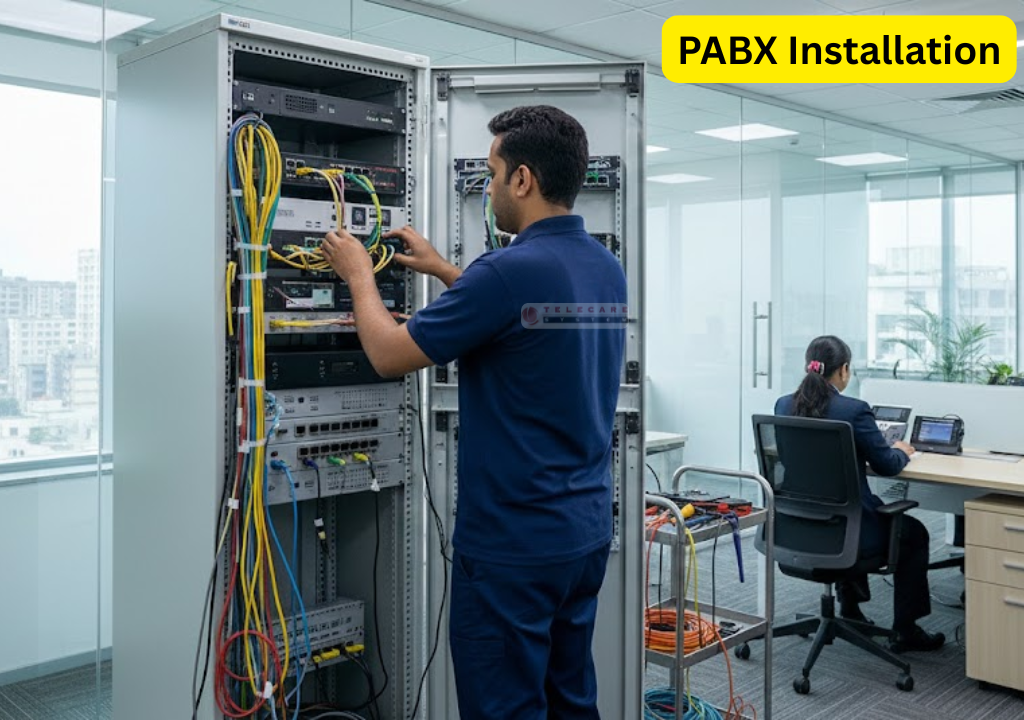
A PABX (Private Automatic Branch Exchange) machine is a private telephone network used within an organization. It allows multiple internal users to communicate with each other and share a limited number of external phone lines.
Instead of having separate phone lines for every employee, a PABX system manages calls centrally, making communication more efficient and cost-effective.
Simple Example:
Imagine an office with 20 employees but only 5 external phone lines. A PABX system connects all employees internally while sharing those 5 lines for outside calls.
Key Features of a PABX Machine
Modern PABX systems come with a wide range of features designed to improve communication.
1. Call Routing
- Automatically directs incoming calls to the right department or person.
2. Internal Communication (Extensions)
- Allows free calling between employees using extension numbers.
3. Auto Attendant (IVR)
- Plays a recorded message like:
- “Press 1 for Sales”
- “Press 2 for Support”
4. Call Transfer
- Easily transfer calls between users or departments.
- Records messages when users are unavailable.
6. Conference Calling
- Connect multiple people on a single call.
7. Call Recording
- Useful for training, monitoring, and quality assurance.
8. Scalability
- Add more extensions as your business grows.
Benefits of Using a PABX Machine
Using a PABX system offers several advantages for businesses and organizations:
Cost Savings
- Reduces the need for multiple external lines
- Lowers communication expenses
Improved Productivity
- Faster internal communication
- Efficient call management
Professional Image
- Automated greetings and call routing create a professional impression
Easy Management
- Centralized control of all calls and extensions
Flexibility
- Supports both analog and IP-based communication systems
Common Use Cases of PABX Machines
PABX systems are widely used across different industries and environments.
Office & Corporate Businesses
- Manage customer calls efficiently
- Connect departments seamlessly
Schools & Colleges
- Communication between offices, teachers, and administration
Hospitals & Clinics
- Quick communication between departments and emergency units
Events & Conferences
- Temporary communication setup for staff and organizers
Types of PABX Systems
Before buying, it’s important to understand the different types:
1. Analog PABX
- Traditional system
- Best for small setups
2. IP PABX (VoIP-Based)
- Uses internet for calls
- Advanced features and scalability
3. Hybrid PABX
- Combines analog and IP systems
- Ideal for businesses upgrading from old systems
Buying Guide: How to Choose the Right PABX Machine
Choosing the right PABX system depends on your specific needs. Here are key factors to consider:
1. Number of Users
- Count how many extensions you need now and in the future
2. Type of Business
- Small office vs. large enterprise requirements differ
3. Budget
- Balance between cost and features
4. Scalability
- Choose a system that can grow with your business
5. Features Needed
- IVR, call recording, remote access, etc.
6. Support & Maintenance
- Ensure local technical support is available
Common Problems and Solutions
Even though PABX systems are reliable, you may face some issues.
Problem 1: Call Not Connecting
Solution:
- Check wiring and line configuration
- Restart the system
Problem 2: Poor Call Quality
Solution:
- Use high-quality cables
- Ensure stable internet for IP systems
Problem 3: Extension Not Working
Solution:
- Verify extension settings
- Check handset or device
Problem 4: System Overload
Solution:
- Upgrade capacity or add more lines
Real-Life Insight
A small business in Bangladesh upgraded from a traditional phone setup to a PABX system. They reduced communication costs by over 40% and improved customer response time significantly—showing how powerful the right system can be.
Frequently Asked Questions (FAQ)
1. What is the main purpose of a PABX machine?
The main purpose is to manage internal and external calls efficiently using a centralized system.
2. Is PABX suitable for small businesses?
Yes, even small offices benefit from better call management and reduced costs.
3. What is the difference between PABX and IP PABX?
Traditional PABX uses telephone lines, while IP PABX uses the internet for communication.
4. Can I upgrade my existing PABX system?
Yes, many systems can be upgraded or converted into hybrid or IP-based systems.
5. How much does a PABX machine cost?
The price depends on capacity, features, and brand. Small systems are affordable, while large setups cost more.
A PABX machine is an essential tool for any organization that wants to improve communication, reduce costs, and operate more efficiently. Whether you run a small office, school, or large enterprise, the right PABX system can make a huge difference.
If you’re planning to upgrade your communication system, now is the perfect time to explore modern PABX solutions. Choose wisely based on your needs, and enjoy smoother, smarter communication.
Want help choosing the best PABX machine? Visit our PABX Category for update price.