Complete Guide to PABX Installation Services in Bangladesh
Running a business in Bangladesh means handling dozens of calls daily—from customers, suppliers, and team members. If your office still relies on multiple mobile phones or basic landlines, you’re likely missing calls, wasting time, and paying more than you should for communication.
A Professional PABX (Private Automatic Branch Exchange) system can transform how your business communicates. This comprehensive guide covers everything you need to know about PABX installation services in Bangladesh, from choosing the right system to finding reliable installers.
What is a PABX System and How Does It Work?
A PABX system is essentially a private telephone network used within your company. Instead of having separate phone lines for each employee, a PABX System allows multiple users to share a few external phone lines while communicating internally for free.
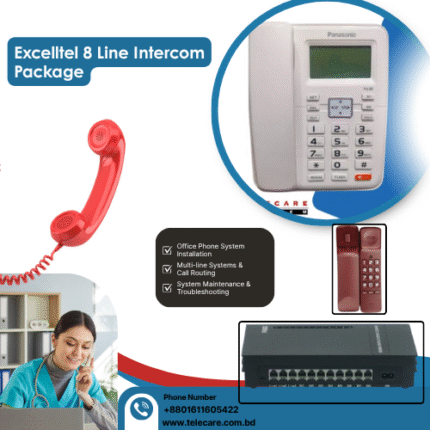
Think of it as your own mini telephone exchange. When someone calls your business number, the PABX system receives the call and routes it to the right person or department. Employees can also call each other using short extension numbers without dialing full phone numbers.
Why Businesses in Bangladesh Need PABX Solutions
Bangladesh’s business landscape is growing rapidly, especially in Dhaka, Chittagong, and other major cities. Companies are discovering that professional communication systems are no longer optional—they’re essential for:
Cost Reduction: Internal calls between employees are completely free. You also need fewer external phone lines, reducing your monthly telephone bills significantly.
Professional Image: Customers hear a professional greeting and get transferred to the right department immediately, rather than hearing “wrong number, call this other number.”
Better Productivity: Employees spend less time playing phone tag and more time on productive work. Features like call transfer, conference calling, and voicemail ensure no important call is missed.
Business Growth: As your team expands, you can easily add more extensions without installing new phone lines or changing your business number.
Traditional vs. IP-Based PABX Systems
Understanding the difference between traditional and IP-based systems helps you make the right choice:
Traditional PABX uses copper telephone lines and dedicated hardware. It’s reliable, works during internet outages, and is familiar to most people. However, it’s more expensive to install and harder to expand.
IP PBX uses your internet connection to make calls. It’s more flexible, cheaper to expand, and offers advanced features like integration with computers and mobile apps. The trade-off is that call quality depends on your internet connection.
Most modern businesses in Bangladesh are choosing IP-PABX or hybrid PABX systems that combine the best of both worlds.
Benefits of Professional PABX Installation
While some businesses attempt DIY installation to save money, professional PABX installation ensures your system works correctly from day one and continues working reliably for years.
Improved Internal and External Communication
Professional installers configure your system to match your workflow. Customer calls can automatically route to sales during business hours and to customer service after hours. Managers can monitor call quality and identify communication bottlenecks.
Cost Savings on Telecommunication
A properly installed PABX system typically pays for itself within 12-18 months through reduced telephone bills. Free internal calling alone can save businesses thousands of taka monthly, especially for companies with multiple floors or branches.
Scalability for Growing Businesses
Professional installers design your system with growth in mind. Whether you’re hiring 5 or 50 new employees next year, your PABX system can expand without requiring a complete reinstallation.
Enhanced Professional Image
First impressions matter. When customers call your business and hear a professional IVR (Interactive Voice Response) greeting with department options, it signals that you’re an established, serious business.
Better Call Management and Routing
Advanced call routing ensures customers reach the right person quickly. If someone’s busy, calls automatically forward to the next available team member. Missed calls trigger notifications, so you can call back promptly.
Types of PABX Systems Available in Bangladesh
Choosing the right PABX type depends on your business size, budget, and technical requirements.
Analog PABX Systems
Analog PABX systems are the traditional choice, using standard telephone lines and basic switching equipment. They’re simple, reliable, and work even during power or internet outages with battery backup.
Best for: Small businesses with basic needs, locations with unreliable internet, businesses preferring tried-and-tested technology.
Price range: Starting from ৳8,000 for basic 3-line, 8-extension systems.
Digital PABX Systems
Digital systems convert voice into digital signals for clearer sound quality and more features. They offer better call quality than analog systems while maintaining the reliability of traditional telephone lines.
Best for: Medium-sized businesses, offices requiring clear voice quality, businesses needing basic computer integration.
Price range: From ৳30,000 to ৳3,00,000 depending on capacity.
IP-PABX (VoIP) Systems
IP-PABX systems use internet connections to make calls, dramatically reducing costs especially for long-distance and international calls. They integrate seamlessly with computers, CRM software, and mobile devices.
Best for: Tech-savvy businesses, companies with remote workers, businesses making frequent international calls, offices with reliable internet.
Price range: From ৳60,000 to ৳5,00,000+ based on features and capacity.
Hybrid PABX Solutions
Hybrid systems combine traditional phone lines with IP technology, giving you the best of both worlds. You can use regular phone lines when internet is down and switch to VoIP for cost savings when internet is stable.
Best for: Businesses transitioning to modern technology, offices in areas with occasional internet issues, companies wanting maximum flexibility.
Price range: From ৳1,20,000 to ৳ 3,00,000.
Cloud-Based PABX Systems
Cloud PABX eliminates on-site hardware entirely. Your phone system lives in the cloud, accessible from anywhere with internet. You pay monthly subscription fees instead of large upfront costs.
Best for: Startups, small businesses, companies with remote teams, businesses wanting minimal maintenance.
Price range: Monthly fees from ৳500 to ৳2,000 per user.
Industries That Benefit from PABX Installation
Corporate Offices and Enterprises
Large companies in Dhaka’s Gulshan, Banani, and Motijheel areas rely on PABX systems to manage hundreds of daily calls across multiple departments. Advanced features like call recording help with quality control and dispute resolution.
Hospitals and Healthcare Facilities
Hospitals need reliable communication for emergencies. PABX systems ensure patients can reach doctors quickly, departments can coordinate during critical situations, and reception can manage appointment scheduling efficiently.
Educational Institutions
Universities and schools use PABX systems to connect administrative offices, departments, and sometimes student dormitories. During admission seasons, call volume spikes dramatically, making efficient call management essential.
Hotels and Hospitality Industry
Hotels require PABX systems for room-to-room calling, front desk communication, and guest services. Modern hotel PABX systems integrate with property management software for seamless operations.
Call Centers and BPO Companies
Bangladesh’s growing BPO sector depends entirely on sophisticated PABX systems. Features like automatic call distribution, call recording, and real-time monitoring are non-negotiable requirements.
Retail and Shopping Centers
Shopping malls and retail chains use PABX systems to connect security, management, and various store locations. Emergency announcements and coordinated operations become simple with centralized communication.
PABX Installation Process: What to Expect
Understanding the PABX installation process helps you prepare your business and set realistic expectations.
Initial Consultation and Needs Assessment
Professional installers start by understanding your business. How many employees do you have? How many receive calls regularly? Do you have multiple floors or branches? What’s your call volume? This information determines the right system size and type.
Site Survey and Infrastructure Evaluation
Installers visit your office to check existing phone lines, internet connectivity, electrical outlets, and cable routing options. They identify the best location for equipment and plan cable pathways that don’t disrupt your office aesthetics.
System Design and Configuration
Based on the assessment, installers design a system tailored to your needs. They plan extension numbers, department grouping, call routing rules, and any special features you require.
Professional PABX Installation and Setup
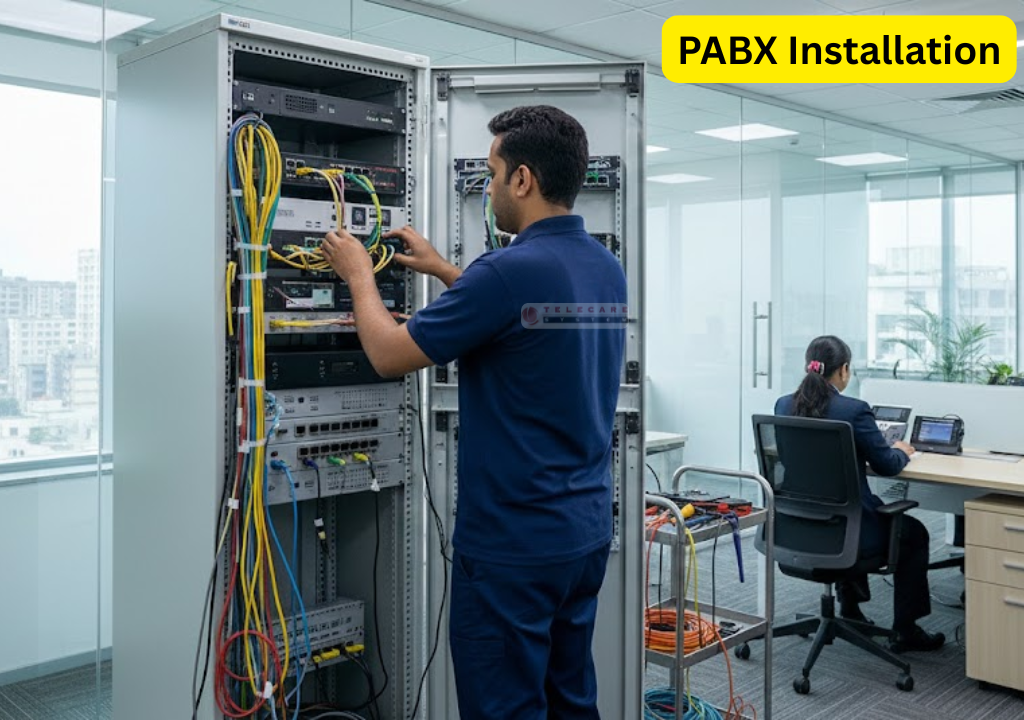
PABX Installation typically takes 1-3 days depending on system complexity. Technicians install the main PABX unit, connect it to phone lines and internet, run cables to each desk, install telephone instruments, and configure all settings.
Testing and Quality Assurance
Before handover, installers thoroughly test internal calling, external calling, call transfers, voicemail, and all special features. They ensure every extension works perfectly and call quality meets standards.
Staff Training and Handover
Installers train your team on using the system—making calls, transferring calls, accessing voicemail, using conference features, and basic troubleshooting. They provide operation manuals and emergency contact numbers.
Choosing the Right PABX Service Provider in Bangladesh
Selecting the right installer is as important as choosing the right system. A good installation lasts 7-10 years, while a poor one causes constant headaches.
Key Factors to Consider
Technical Certification: Verify that installers are certified by PABX manufacturers. Authorized dealers have proper training and access to genuine parts.
Portfolio and References: Ask to see previous PABX installations, especially in businesses similar to yours. Contact their existing clients to ask about service quality and reliability.
Comprehensive Service: Choose providers offering everything—consultation, installation, training, maintenance, and repairs. Dealing with multiple vendors for different services creates complications.
Experience and Technical Expertise
Bangladesh’s telecom landscape has unique challenges—frequent power cuts, varying internet quality, and diverse building infrastructures. Experienced installers know how to handle these situations and design resilient systems.
Look for companies operating for at least 5 years in the Bangladesh market. They understand local requirements and have solved problems you haven’t encountered yet. Telecare System will be your best option.
After-Sales Support and Maintenance
Your PABX system will eventually need repairs or adjustments. Before signing contracts, clarify:
- Response time for emergency repairs
- Availability of spare parts
- Regular maintenance schedules
- Remote support capabilities
- Charges for out-of-warranty repairs
Warranty and Service Agreements
Standard warranties cover 1-2 years for equipment and 6-12 months for installation labor. Some providers offer extended warranties or Annual Maintenance Contracts (AMC) with fixed costs for regular maintenance and priority support.
Customer Reviews and Testimonials
Check Google reviews, Facebook pages, and business directories. Consistent complaints about any company should raise red flags. Pay special attention to reviews mentioning after-sales support—that’s when you really need your installer.
Top PABX Brands and Equipment in Bangladesh Market
Panasonic dominates Bangladesh’s PABX market with reliable, user-friendly systems. Their KX-TES824 and KX-TDA series are extremely popular among small and medium businesses. Excellent after-sales support and widely available spare parts make Panasonic a safe choice.
Pros: Reliable, good support network, reasonable prices Cons: Basic features compared to newer brands Popular for: Retail, small offices, clinics, large enterprises.
TCS offers robust systems preferred by large enterprises and call centers. Their TCS TS series provide advanced features and excellent scalability.
Pros: High capacity, advanced features, excellent call quality Cons: Higher prices, requires skilled technicians Popular for: Corporate offices, BPO, large institutions
Yeastar represents the new generation of IP-PABX systems. Their affordable, feature-rich systems appeal to tech-savvy businesses wanting modern communication without breaking the bank.
Pros: Modern features, affordable, excellent mobile integration Cons: Requires stable internet, newer brand with developing support network Popular for: Startups, IT companies, modern offices
Local vs. International Brands
International brands offer proven reliability and extensive features but cost more. Some Bangladeshi companies assemble PABX systems using imported components, offering lower prices with decent quality.
For critical business operations, international brands provide better long-term value. For basic requirements with tight budgets, local assemblies can work well if you choose reputable suppliers.
PABX Installation Costs in Bangladesh
Understanding cost structure helps you budget appropriately and avoid surprises.
Factors Affecting Installation Prices
System Type: Analog systems are cheapest, IP-PABX costs more, hybrid systems are most expensive.
Capacity: Systems handling more lines and extensions cost more. A 3-line, 8-extension system differs vastly from a 30-line, 200-extension system.
Brand and Features: Premium brands with advanced features cost significantly more than basic models.
Installation Complexity: Multi-floor installations, long cable runs, and special requirements increase labor costs.
Additional Equipment: Phones, headsets, routers, switches, and UPS systems add to total costs.
Price Range for Different System Types
Small Business (3-8 extensions):
- Analog: ৳40,000 – ৳80,000
- Digital: ৳60,000 – ৳1,20,000
- IP-PABX: ৳80,000 – ৳1,50,000
Medium Business (16-64 extensions):
- Analog: ৳1,00,000 – ৳2,00,000
- Digital: ৳1,50,000 – ৳4,00,000
- IP-PABX: ৳2,00,000 – ৳5,00,000
Large Business (100+ extensions):
- Digital: ৳5,00,000 – ৳15,00,000
- IP-PABX: ৳6,00,000 – ৳20,00,000+
- Hybrid: ৳8,00,000 – ৳25,00,000+
These ranges include equipment, installation, basic training, and standard warranty.
Hidden Costs to Watch Out For
Structured Cabling: If your office lacks proper cabling infrastructure, expect ৳500-৳1,500 per extension point for cable installation.
Additional Phones: Basic phones cost ৳800-৳2,000 each, while IP phones range from ৳3,000-৳15,000.
Network Equipment: IP-PABX requires quality switches and routers. Budget ৳15,000-৳50,000 for network upgrades.
Power Backup: UPS systems ensuring uninterrupted service cost ৳20,000-৳1,00,000 depending on capacity.
Annual Maintenance: Post-warranty maintenance costs ৳15,000-৳50,000 annually depending on system size.
ROI and Long-Term Savings
A medium-sized office with 20 employees typically saves ৳15,000-৳30,000 monthly on telephone bills after PABX installation. The system pays for itself in 12-18 months, then continues saving money for years.
Beyond direct savings, productivity improvements from better communication and enhanced professional image contribute to revenue growth that’s harder to quantify but equally valuable.
PABX Maintenance and Support Services
Even the best PABX systems need regular maintenance to perform reliably.
Regular Maintenance Requirements
Quarterly Inspections: Check all connections, clean equipment, verify battery backups, test call quality, and update software if available.
Annual Servicing: Deep cleaning, connection tightening, comprehensive testing, backup configuration review, and replacement of worn components.
Software Updates: IP-PABX systems need firmware updates for security patches and new features. Schedule updates during off-hours to avoid disrupting business.
Common PABX System Issues and Solutions
No Dial Tone: Usually caused by loose connections, faulty phone instruments, or main unit power issues. Check all cables and power supplies first.
Poor Call Quality: Often results from line interference, loose connections, or internet bandwidth issues for IP systems. Professional technicians can identify and fix interference sources.
Calls Not Connecting: Programming errors, external line problems, or hardware failures. Requires technical expertise to diagnose and resolve.
Extension Not Working: Faulty extension cards, cable damage, or configuration issues. Sometimes as simple as a disconnected cable, other times requiring card replacement.
Emergency Repair Services
Choose service providers offering 24/7 emergency support, especially if your business depends heavily on phone communication. Emergency response times should be under 4 hours for critical issues.
System Upgrades and Expansion
As your business grows, you’ll need more extensions. Quality PABX systems allow easy expansion by adding extension cards. Professional installers can upgrade your system without disrupting operations, often completing expansions in a few hours.
PABX vs. Modern Communication Alternatives
PABX vs. Cloud Phone Systems
PABX Advantages: One-time investment, works without internet, complete control over system, no monthly fees beyond telephone bills, better security.
Cloud Phone Advantages: Lower initial costs, automatic updates, easy remote work support, access from anywhere, no hardware maintenance.
Best Choice: Established businesses with stable operations benefit from PABX. Startups and remote-friendly companies prefer cloud systems.
PABX vs. Unified Communications
Unified Communications (UC) platforms integrate phone, video, messaging, and collaboration tools. They represent the future but require significant IT infrastructure and ongoing subscriptions.
PABX systems excel at one thing—reliable voice communication. For businesses primarily needing Telephone services, PABX offers better value.
When PABX Is Still the Best Choice
Despite newer alternatives, PABX remains ideal when:
- Your business has a physical office with desk-based employees
- Reliable voice communication is critical (healthcare, emergency services)
- Internet connectivity is inconsistent
- You prefer one-time investments over recurring subscriptions
- You need complete control over your communication infrastructure
PABX Installation in Major Bangladesh Cities
PABX Services in Dhaka
Dhaka has the highest concentration of PABX service providers. Areas like Motijheel, Gulshan, Banani, Dhanmondi, and Uttara have numerous businesses relying on professional phone systems. Competition among installers means better prices and service quality.
Most reputable providers offer same-day site visits in Dhaka and can complete PABX installations within 2-4 days for medium-sized businesses.
PABX Installation Coverage in Chittagong
Chittagong’s port businesses, manufacturing companies, and growing IT sector drive PABX demand. While fewer providers operate here compared to Dhaka, major brands maintain authorized service centers in Chittagong.
Expect slightly higher costs and longer installation times than Dhaka, but quality service is readily available.
Services in Sylhet, Rajshahi, and Khulna
Major divisional cities have adequate PABX installation services, though you might deal with regional dealers rather than main companies. These dealers typically have relationships with Dhaka-based providers for complex installations or specialized equipment.
Nationwide Installation Support
Telecare System offer nationwide installation, important for businesses with multiple branch offices. They can design unified systems allowing free calling between branches and centralized management from head office.
Legal and Compliance Considerations
BTRC Regulations for PABX Systems
The Bangladesh Telecommunication Regulatory Commission (BTRC) regulates telecommunication equipment. While basic PABX installation doesn’t require special licenses for end-users, installers must follow specific guidelines.
Licensing Requirements in Bangladesh
Businesses using PABX systems should ensure they’re purchasing from authorized dealers who import equipment through proper channels with BTRC approval. Using unauthorized equipment can technically result in penalties, though enforcement is primarily focused on telecom operators rather than end-users.
Data Security and Privacy Compliance
If your PABX system includes call recording features (common in call centers), ensure compliance with Bangladesh’s data protection practices. Inform employees and customers that calls may be recorded, and secure recorded data appropriately.
IP-PABX systems connected to the internet should have proper security configurations—firewalls, strong passwords, and regular updates—to prevent unauthorized access.
Future of Business Communication in Bangladesh
Emerging Trends in Telephony
Bangladesh’s business communication is evolving rapidly. While traditional PABX remains popular, hybrid systems combining traditional reliability with modern features are gaining traction.
Mobile Integration: Modern PABX systems integrate with mobile phones, allowing employees to receive office calls on mobiles while maintaining professional appearance with office caller ID.
Cloud Migration: More businesses are considering cloud-based solutions, especially after COVID-19 demonstrated remote work’s viability.
AI Integration: Advanced systems now offer AI-powered features like intelligent call routing, voice assistants, and automatic transcription.
Integration with CRM and Business Tools
Progressive businesses in Bangladesh are connecting PABX systems with CRM software. When customers call, their information automatically appears on employee screens, enabling personalized service and efficient call handling.
Integration with tools like helpdesk software, email systems, and project management platforms creates seamless workflows where communication data flows throughout your business systems.
AI and Automation in Call Management
Artificial Intelligence is transforming call handling. AI can analyze call patterns to identify peak hours, recognize caller intent, route calls to the best-suited employee, and even handle simple queries through interactive voice response systems.
While fully AI-powered systems remain expensive, expect these features to become more accessible to Bangladeshi businesses within the next few years.
Frequently Asked Questions (FAQs)
How long does PABX installation take?
Small systems (8-16 extensions) typically install in 1-2 days. Medium systems (32-64 extensions) need 2-4 days. Large PABX installations with over 100 extensions might require 5-10 days. Complex multi-floor or multi-branch installations can take 2-4 weeks including planning, cabling, and configuration.
Can existing phone lines be integrated?
Yes, professional PABX systems integrate with your existing telephone lines from BTCL or other providers. You’ll use fewer external lines than before since multiple extensions share the available lines intelligently.
What capacity PABX do I need for my business?
A general rule: provide one extension per employee who uses a phone regularly. For external lines, calculate based on simultaneous calls. Most offices need one external line per 3-5 extensions for normal call volumes. Call centers or high-volume businesses need higher ratios, sometimes one line per 2-3 extensions.
Is technical training provided?
Reputable installers include basic user training covering call making, transferring, voicemail, and common features. They also provide administrator training for whoever manages the system. Additional training sessions can be arranged if needed.
What happens during power cuts?
PABX systems can operate during power cuts if connected to UPS (uninterruptible power supply) or generator backup. Battery-powered UPS systems provide 2-8 hours of operation depending on capacity and call volume. For critical operations, generator backup ensures indefinite operation during outages.
Can I expand the system later?
Quality PABX systems are designed for expansion. Most can add 50-200% more extensions by installing additional extension cards. During initial PABX installation, discuss future growth plans so installers can choose systems with adequate expansion capacity.
Do I need a dedicated IT person to manage PABX?
Not necessarily. Basic administration like adding extensions, changing routing, and managing voicemail is relatively simple after training. However, having an IT-literate staff member as the system administrator is helpful. For complex changes or troubleshooting, you’ll contact your service provider.
How often does the system need maintenance?
Basic analog and digital systems need minimal maintenance—quarterly checks and annual servicing suffice. IP-PABX systems need more attention including software updates, security patches, and network monitoring. Annual Maintenance Contracts typically include 4 quarterly visits plus on-demand support.
What’s the difference between hosted and on-premise PABX?
On-premise PABX means equipment is installed at your office—you own it, control it completely, and pay once. Hosted (cloud) PABX means equipment is at the provider’s data center—you pay monthly, they handle maintenance and updates, and you access it via internet.
Can remote employees use the office PABX system?
Modern IP-PABX systems allow remote employees to connect through softphones (software installed on computers) or mobile apps. They can make and receive calls using office numbers from anywhere with internet connectivity, making remote work seamless.
Getting Started with PABX Installation
Steps to Request a Quote
- Define Your Requirements: List number of extensions needed, special features desired, budget range, and timeline.
- Research Providers: Identify 3-5 reputable PABX installers in your area through online searches, business directories, or recommendations.
- Request Site Visits: Invite shortlisted providers for site surveys. Serious providers offer free site visits and consultations.
- Compare Proposals: Evaluate quotes not just on price but on equipment quality, warranty terms, support availability, and company reputation.
- Check References: Contact existing clients to verify service quality and reliability.
- Finalize Contract: Review contracts carefully, especially warranty terms, maintenance provisions, and payment schedules.
Preparing Your Business for PABX Installation
Schedule During Low-Activity Periods: If possible, schedule PABX installation during weekends, holidays, or slow business periods to minimize disruption.
Prepare Cable Pathways: Clear areas where cables will run. Decide whether you prefer exposed cable management or concealed cabling through false ceilings or walls.
Inform Your Team: Notify employees about PABX installation schedules, expected disruptions, and what to expect. Designate one person as the primary contact with installers.
Backup Important Contacts: Before disconnecting existing systems, ensure important phone numbers are saved. Port any important numbers to your new system.
Plan for Temporary Communication: For multi-day PABX installations, arrange temporary communication methods like mobile phones or a few working landlines for critical operations.
Contact Information and Consultation Booking
When you’re ready to explore PABX installation, start with consultation calls to reputable providers. Be prepared to discuss:
- Your business type and size
- Current communication challenges
- Approximate number of extensions needed
- Budget range
- Any specific features you require
- Timeline expectations
Most established providers in Dhaka, Chittagong, and other major cities offer free consultations and can provide detailed proposals within 2-3 days of site visits.
Final Thoughts
Investing in a professional PABX system transforms business communication from a daily hassle into a competitive advantage. Whether you’re a small startup in Dhaka or a growing enterprise in Chittagong, the right PABX installation improves efficiency, reduces costs, and enhances your professional image.
Take time to understand your needs, choose the appropriate system type, and select installers with proven track records. A well-installed PABX system serves your business reliably for 7-10 years, making it one of the most valuable investments in your business infrastructure.
The Bangladesh business landscape is becoming increasingly competitive. Reliable, professional communication isn’t just about answering calls anymore—it’s about creating positive customer experiences, enabling efficient teamwork, and building a foundation for growth. Your PABX system plays a crucial role in all three.